Bed Bug Heat Treatment for Thorough and Efficient Pest Control
Bed Bug Heat Treatment for Thorough and Efficient Pest Control
Blog Article
Professional Bed Bug Removal Services to Eliminate Infestations
Bed bug invasions present significant difficulties for homeowners. DIY methods often fall short, resulting in persistent issues. Professional exterminators employ sophisticated methods to effectively identify and eliminate these pests at all life stages. Recognizing the constraints of self-treatment is essential. Yet, many remain ignorant of what comprehensive extermination involves. The next steps in tackling such infestations can make all the difference in restoring peace of mind.

The Obstacles of DIY Fixes: Why Certified Bed Bug Treatment Is Important
Although many occupants may attempt to tackle bed bug outbreaks on their own, the limitations of DIY solutions often prove them unsuccessful. Common approaches, such as using commercial insecticides or natural treatments, frequently fail to resolve the underlying problem. Bed bugs are adept at nestling in small openings, making it challenging for non-professionals to locate and eliminate all contaminated areas. Additionally, improper application of treatments can result in tolerance, complicating future eradication efforts.
Moreover, DIY methods often lack the complete approaches that professionals employ, such as detailed assessments and targeted heat treatments. The emotional and financial toll of an ongoing infestation can intensify the situation, leading homeowners to seek more successful approaches. Ultimately, investing in professional bed bug extermination services assures a more reliable and long-lasting resolution, letting residents to regain their residential areas with certainty.
Explore Sophisticated Techniques Used by Bed Bug Experts
Professional bed bug pest control specialists employ a variety of advanced methods to successfully eliminate infestations that DIY approaches often overlook. One prominent technique is the use of thermal remediation, where infested areas are warmed to heat levels fatal to bed bugs at all life stages. This strategy is particularly effective, as it penetrates walls and furniture where pests may conceal themselves.
Furthermore, exterminators often use integrated pest management (IPM) approaches, combining chemical treatments with non-chemical methods. This may include the treatment of insecticides specifically formulated for bed bugs, along with thorough inspections and tracking.
Monitoring devices and monitoring systems are likewise installed to determine the magnitude of the problem and assure complete removal. Also, some professionals are now embracing cutting-edge technologies, such as canine detection units, which use specially trained dogs to identify bed bug infestations with superior precision. These modern strategies boost the success of bed bug control initiatives substantially.
What You'll Encounter During Your Bed Bug Eradication Appointment
A routine bed bug extermination appointment entails a organized method to identifying and eliminating infestations. Initially, the pest control professional performs a detailed review of the premises, emphasizing common hiding spots such as mattresses, bed frames, and furniture. This review assists in establishing the extent of the infestation.
Once the inspection is finished, the exterminator will communicate the observations to the resident and explain the proposed pest management strategy. This approach may feature approaches including heat treatment, chemical treatments, or a combination of both, depending on the severity of the infestation.
The homeowner will be furnished with directions for preparation, which may involve clearing personal belongings and maintaining easy access to affected areas. During the treatment, the exterminator will apply the selected solutions diligently, making certain all areas are treated. After the treatment, a subsequent appointment may be planned to check results and ensure the successful elimination of bed bugs.
Comprehending the Investment Required for Bed Bug Control
Grasping the costs associated with bed bug removal can be crucial for property owners facing an infestation. The expenses generally differ based on several factors, such as the severity of the pest problem, the size of the property, and the removal methods employed. Most professionals provide a range of options, from chemical applications to thermal procedures, each with its own cost point.
Typically, homeowners should budget for somewhere between $300 and $1,500, based on the extent of the problem. Initial assessments could involve extra fees, and follow-up care may also raise the overall cost. Several providers provide guarantees, which might sway the price while giving peace of mind. It remains crucial that property owners collect multiple bids and inquire regarding included see more services to find best pricing. Knowing about these monetary elements allows property owners to make smart choices when addressing a demanding predicament effectively.
Crucial Arrangements for Your Home Ahead of Bed Bug Extermination
Prior to initiating bed bug removal, homeowners should implement necessary measures to prepare their environment effectively. Clearing cluttered spaces, washing bedding thoroughly, and eliminating household belongings are critical actions that can enhance the removal process. Adequate preparation not only aids in the effectiveness of treatments but also reduces the risk of bed bugs spreading during the process.
Clear cluttered areas
Clearing messy areas is an essential step in preparing a home for successful bed bug extermination. Clutter offers numerous hiding spots for bed bugs, which makes it hard for exterminators to find and remove infestations. By removing extra items from floors, shelves, and under beds, homeowners form a more clear environment for treatment. This process includes sorting through boxes, bags, and other belongings, ensuring that items are either disposed of, donated, or stored properly. Additionally, clearing surfaces helps identify potential bed bug habitats, such as furniture seams and cracks. Proper organization not only facilitates extermination efforts but also aids in post-treatment monitoring, eventually contributing to a more effective and comprehensive eradication of bed bugs.
Wash Bedding Completely
Carefully cleaning bedding is a vital step in getting ready for bed bug extermination. This procedure requires taking off all sheets, pillowcases, and blankets from the bed, guaranteeing that they are laundered in hot water. High heat levels are essential, as they can effectively kill both bed bugs and their eggs. After laundering, items should be heat-dried on a high heat setting for at least 30 minutes to confirm any lingering pests are destroyed. It is also wise to place clean, bagged bedding in a sealed enclosure to avoid re-infestation. By implementing these preventive steps, homeowners can help establish an space that supports the control efforts, ultimately improving the effectiveness of professional bed bug solutions.
Clear Out Personal Goods
Removing personal belongings is an important step in readying a home for bed bug extermination. This process not only assists in reducing clutter but also enables exterminators to access infested areas more effectively. Items such as clothing, toys, and electronics should be thoroughly removed and stored in tightly closed plastic bags to prevent any further spread of the pests. It is essential to keep these items away from treated locations until the extermination process is complete. Additionally, removing private possessions helps homeowners to gauge the extent of the infestation and identify any items that may need discarding. By taking these steps, individuals can contribute significantly to the success of bed bug extermination efforts, ensuring a insect-free living environment.
How to Successfully Get Ready and Prevent Future Bed Bug Infestations
To effectively prepare for and prevent future bed bug invasions, regular inspection practices are crucial. Homeowners should implement efficient prevention strategies, such as closing gaps and applying protective mattress covers. By staying alert and executing these strategies, the risk of re-infestation can be greatly reduced.
Consistent Inspection Approaches
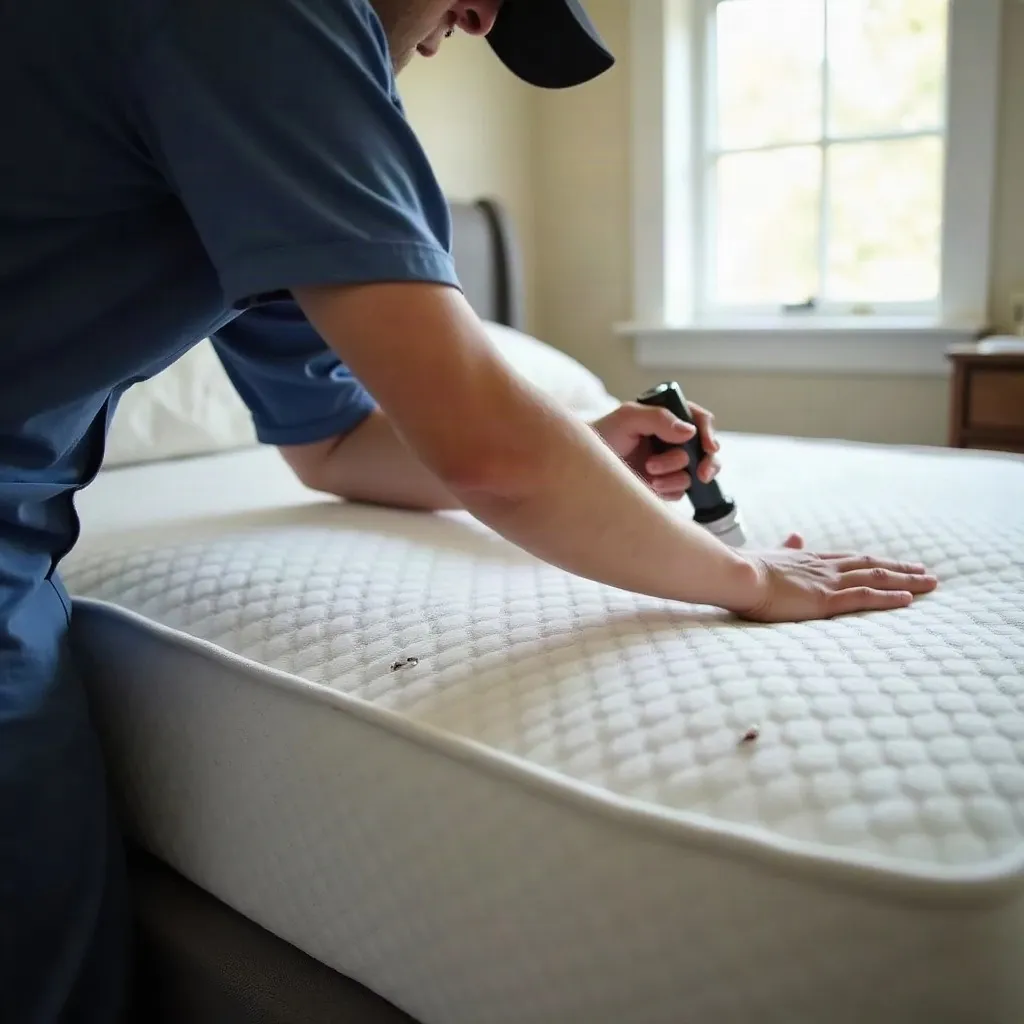
Periodic assessments are crucial for preserving a bed bug-free environment, especially since these pests can multiply and propagate quickly. Conducting comprehensive checks in key zones, such as mattresses, bed frames, and upholstered furniture, helps recognize early symptoms of infestations. Inspecting seams, crevices, and folds is vital, as bed bugs often conceal in these spots. Periodic monitoring of luggage and second-hand items is also advisable, as these can bring new insects. Homeowners should establish a routine inspection schedule, ideally every few months, to catch any potential complications early. Educating residents about the indicators of bed bugs, such as small rust-colored spots or shed skins, improves the effectiveness of these inspections, promoting a proactive tactic to pest management.
Efficient Preventative Solutions
Establishing effective preventative techniques is vital in protecting homes against bed bug infestations. Homeowners should on a regular basis look over sleeping areas, emphasizing seams of mattresses and bed frames. Employing defensive mattress encasements can also deter bed bugs from taking residence. When traveling, it's advisable to keep luggage elevated and inspect hotel rooms for signs of bed bugs before unpacking. Additionally, reducing clutter in living spaces keeps down hiding spots. Consistent vacuuming, particularly in areas where pets spend time, can help remove potential hitchhikers. Ultimately, maintaining awareness of neighbors' pest issues can prompt preventive measures, as bed bugs can easily move between units. By putting into action these strategies, residents can greatly reduce the likelihood of future infestations.
Established Strategies to Prevent Forthcoming Bed Bug Invasions
Although bed bug invasions can be challenging to eradicate, using established methods can significantly decrease the likelihood of future occurrences. Frequent checks of living spaces are essential; residents should look for signs of bed bugs, such as shed skins or black marks, particularly in bedrooms and around furniture.
Wrapping mattresses and box springs in protective covers can prevent bed bugs from settling in. Additionally, reducing clutter decreases hiding spots, enabling discovery easier.
When journeying, people should examine hotel rooms for bed bugs and keep luggage raised and away from beds. Cleaning and heating clothes on high heat after arriving back can remove any stowaways.
Ultimately, partnering with expert pest management companies for periodic inspections guarantees that any possible problems are addressed quickly. By applying these strategies, people can establish an space less conducive to bed bug infestations, promoting lasting tranquility.
Regular Questions Asked by Customers
What Timeframe Can You Expect for a Standard Bed Bug Control Treatment?
A typical bed bug extermination treatment usually takes approximately 2-4 hours, depending on the severity of the problem and the methods employed. Follow-up visits might be required for complete eradication.
Are Bed Bugs Harmful to Pets and Humans?
Bed bugs are not proven to carry pathogens to pets or humans, but their bites can create discomfort, allergic manifestations, and cutaneous irritation. Their presence may elicit worry and tension for affected individuals.
How Can You Identify the Evidence of a Bed Bug Infestation?
Indicators of a bed bug infestations include small, brick-red bugs, dark spots of feces on bedding, shed skins, and itchy bites on exposed skin. Regular inspections can help detect these indicators early on.
Can Bed Bugs Endure Without a Blood Feeding?
Bed bugs are capable of surviving for several months without a blood meal, typically ranging from two to six months, depending on environmental conditions. Their robustness allows them to sustain themselves through periods without feeding before seeking a host.
When will I Be Able to return to my residence After Completing the procedure?
Once procedure is finished, patients can typically head home in a few hours. However, it is best to wait 24 to 48 hours to determine the effectiveness of the procedure and lessen contact to leftover chemical residues.
Report this page